
On May 24, 2017, the New York Workers’ Compensation Board released new proposed regulations for the New York Paid Family Leave Law. Our readers may recall that last year Governor Andrew Cuomo signed the 2016-2017 state budget, adopting a paid family leave policy that is scheduled to go into effect January 1, 2018. The program Read more
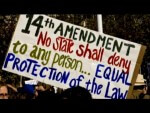
On April 27, 2017, the Kentucky Supreme Court found a section in the Kentucky Revised Statute to be a violation of the Equal Protection Clause. In Marshall Parker v. Webster County Coal LLC, the plaintiff challenged the constitutionality of the Kentucky Revised Statute. Marshall Parker was an underground coal miner for Webster County that got Read more
Starting May 24, 2017, unemployment claims in the state of Wisconsin must be filed online. The Division of Unemployment Insurance is retiring the automated telephone filing system. The goal of switching online is to help make the process easier and faster for claimants. Claimants will have access to their claim information seven days a week. The Read more
The Missouri Division of Workers’ Compensation has recently updated the mandatory workers’ compensation posting. By law, all Missouri employers are required to post the Workers’ Compensation Law posting in a prominent and easily accessible location in the workplace (Missouri Revised Statutes, Section 287.127). If employers do not have a permanent work site regularly accessed by Read more
Our readers may recall that the City of St. Louis, MO passed the Minimum Wage Law (Ordinance 70078) in 2015. The law was blocked that same year by a Circuit Court Judge that decided the local law conflicted with the state’s minimum wage. On February 28, 2017, the Supreme Court of Missouri determined that the City’s Read more

On March 22, 2017, House Bill 156 was signed by Utah Governor Gary Herbert. The law, also known as “Reducing Barriers to Employment for Individuals with Criminal Records” prohibits public employers from excluding a job applicant from an initial interview because of a criminal conviction. As defined in the text of the law, a public Read more
Massachusetts employers are now required to apply the “relieved of all work duties” standard when determining if an employee’s meal break is non-compensable. In Devito v. Longwood Security Services Inc., the Massachusetts Superior Court held that meal breaks are “working time,” unless the employee is relieved of all work-related duties during the break. The Plaintiffs, security officers Read more
On April 6, 2017 the Chamber of Commerce for Greater Philadelphia filed a lawsuit against the City of Philadelphia and Philadelphia Commission on Human Relations, arguing that the Philadelphia Wage Equity Ordinance violates businesses’ freedom of speech. Our readers may remember that Philadelphia Mayor Jim Kenney signed this new legislation in January and is scheduled Read more
Employees in the state of New York are now free to discuss their compensation in the workplace. The New York Department of Labor (NYDOL) has adopted new regulations that help clarify standards for limitations on inquiry, discussion, or disclosure of wages between employees. Under the regulations, employers cannot prohibit employees from inquiring about, discussing, or Read more
On April 5, 2017, New York City Mayor Bill de Blasio signed Bill Int. 1253-2016, approving a salary history ban in job interviews. The new law, which is aimed at tackling pay inequity, prohibits all employers from inquiring about or relying on a prospective employee’s salary history during all stages of the employment process. Advocates Read more
[elementor-template id="129813"]